





Minidokumentarer:


A joint effort from Australian, Indonesian and American researchers has found 25,000 year old human fossils showing signs of tooth decay associated with Betel nut use, a natural psychoactive drug.

At the centre of the Indonesian archipelago on the island of Sulawesi, scientists have found some of the oldest evidence of drug use surpassing previous fossils by 3,000 years.
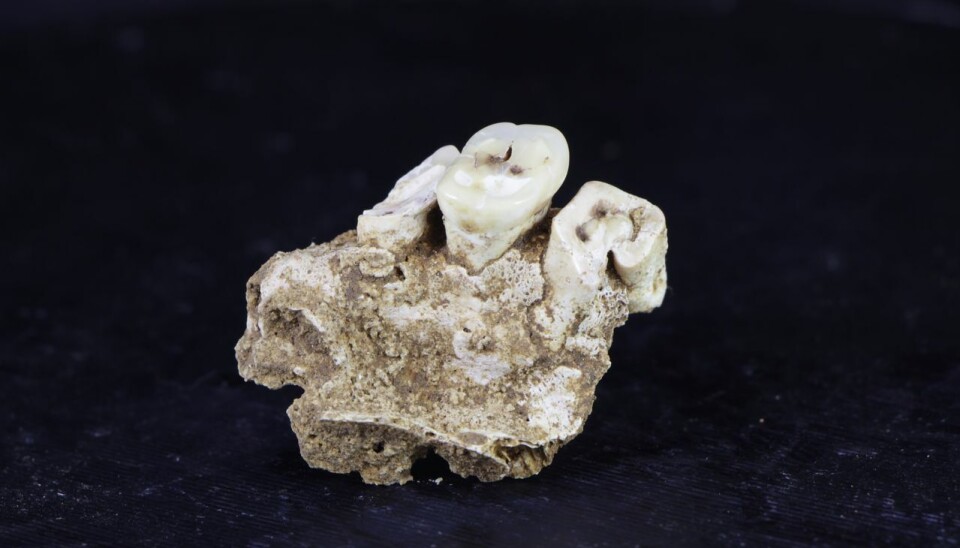
The team, led by Griffith University archaeologist Professor Adam Brumm, uncovered 2 sets of prehistoric human skeleton that both showed signs of tooth decay commonly associated with frequent use of the Betel nut, a round seed of a palm commonly found in an area spanning Eastern African to the South Pacific.
“Betel nuts contain a chemical compound (arecoline) that acts as an analgesic ‘painkiller’,” said Professor Brumm, referring to the use of Betel nut as a tool for self medication.
“We think it was this property that the early foragers were primarily interested in; hence, they repetitively sucked whole betel nuts, probably to relieve the pain of toothache.”
The fossilised skeletons both showed rounded, hollowed out tooth groves that has not been previously recorded in dental pathology, but align with what scientists determine decay from frequent Betel nut use to look like as the shape of the plants wears down the bone.
“[The discovery] suggests that humans have been using drugs for a lot longer than currently recognised,” said Professor Brumm.
“The cycle of substance addiction is a much older part of the human story than previously appreciated.”
With the finding of these ancient fossils, questions regarding the history of substance addiction have become more prominent.
University of Florida professor Roger L. Papke, who was also part of the new discovery, believes that the ancient use of Betel nut to treat depression could be a possible reason for frequent use; it is not entirely known what underlies modern Betel addiction.
“The most overt effects of betel chewing do come from arecoline, but I do not think arecoline itself causes addiction.” says Professor Papke.
While not a medical researcher himself, Professor Brumm notes that this new research may help to increase overall knowledge about drug use.
“I think any discovery that advances our understanding of the origins of substance addiction and the behavioural vulnerabilities involved is useful.”