Wildfires in Indonesia pose global concern as emissions rise
As Indonesian wildfire emissions surge to count for a third of global CO2 emissions, health concerns grow for vulnerable communities.

In early September, wildfires burning in the West and Central Kalimantan region reached global levels of concern as carbon dioxide emissions reached approximately 20 million metric tonnes.
Burning through abnormally dry stretches of forest and peatland, a type of wetland with accumulated layers of dead or decaying plant material, the fires have been exacerbated by the heightened conditions.
Labelled the ‘most intense wildfire season in 11 years’, research data from institutes such as the EU based Copernicus Fire Emissions Watch found that recent emissions were 273 per cent higher than seasonal averages.
Dr Mark Parrington, Senior Scientist at the Copernicus Atmosphere Monitoring Service, believes that the high emissions do have the potential to impact surrounding areas.
“Due to the persistent nature of the current fire emissions from Indonesia air pollution the so-called ‘haze’ is able to accumulate” said Dr Parrington, “resulting in many days of extremely poor air quality.”
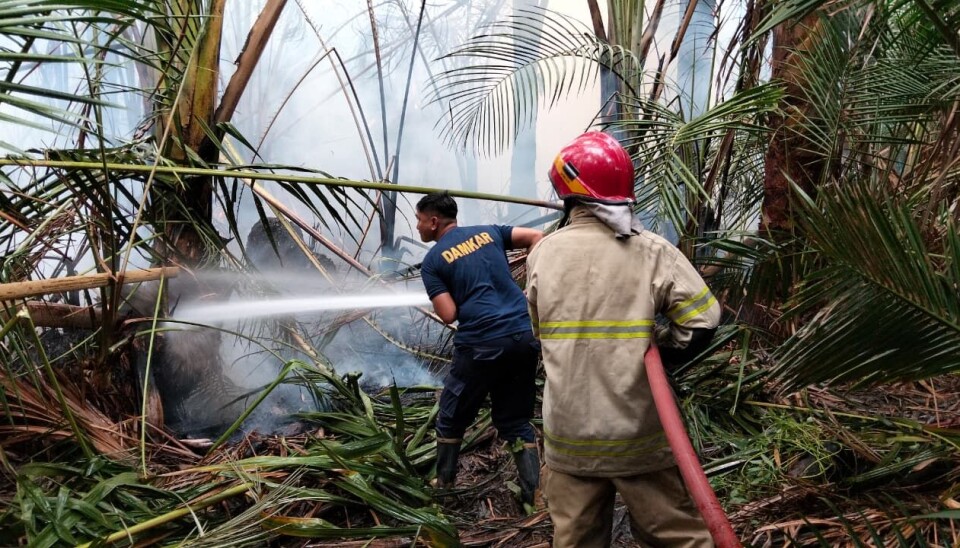
Research institutions in Indonesia can also verify the climate and subsequent health impacts of the fires are expected to be drastic for local communities.
Dr Nisa Novita, a peatland researcher with scientific non-profit Yayasan Konservasi Alam Nusantara based in Jakarta says that the toxic chemical components found in smoke from peatland fires pose significant risk to regional air quality that can ‘directly impact human health’.
“Exposure to pollutants produced by these fires can lead to increased mortality rates, respiratory morbidity, and potential cardiovascular issues,” said Dr Novita.
“Especially among vulnerable populations, including those with limited access to healthcare, children, and the elderly.”
While Dr Novita notes that significant progress has been made in protection of peatland areas in hopes of their restoration, current climate mitigation efforts are ‘still not sufficient’ to prevent events, such as this year’s ElNino climate phenomenon, contributing to growing emissions.
“I think the bigger challenge now is sustainability,” said Dr Novita.
“Restoration is not a one-off intervention because we work with humans and nature. We need to maintain [infrastructure], prevent burning utilization for land clearing, and continue supporting communities so that restoration is compatible with their livelihoods.”