
How architecture can shape a capital
Architecture in Copenhagen is more than a collection of stunning buildings. It shapes how people move through the city, interact with public spaces and experience everyday life.

Copenhagen's architecture has been recognised as the UNESCO-UIA World Capital of Architecture, reflecting the city's strong design legacy, focus on sustainable urban development and reputation for liveability.
The Danish Architecture Centre (DAC) explores the relationship between architecture, society and the way people live.
The Copenhagen Architecture Forum (CAFx) similarly views architecture as something that shapes communities, connecting the environment with wider issues including sustainability and social interaction.
For one visitor, Cas, an architecture student in London, Copenhagen's architecture stands out because of the balance between its historic and modern buildings.
"I think it's the historical architecture mixed with the modern so well," he said. "There's the new, modern stuff, and then the old stuff. It feels like it fits together."
Andy and Karen Hansen, also from the UK, agree that the combination of old and new buildings in Copenhagen holds its own unique ‘charm’ that deserves recognition.
“The old buildings have been well kept with their colours and their character, and they’ve got new buildings standing right beside them.” said Andy.
The city's design also influences how people navigate it.
"London is horrible to get around, but Copenhagen is lovely," said Cas.
"Cycling and walking feel a part of the city."
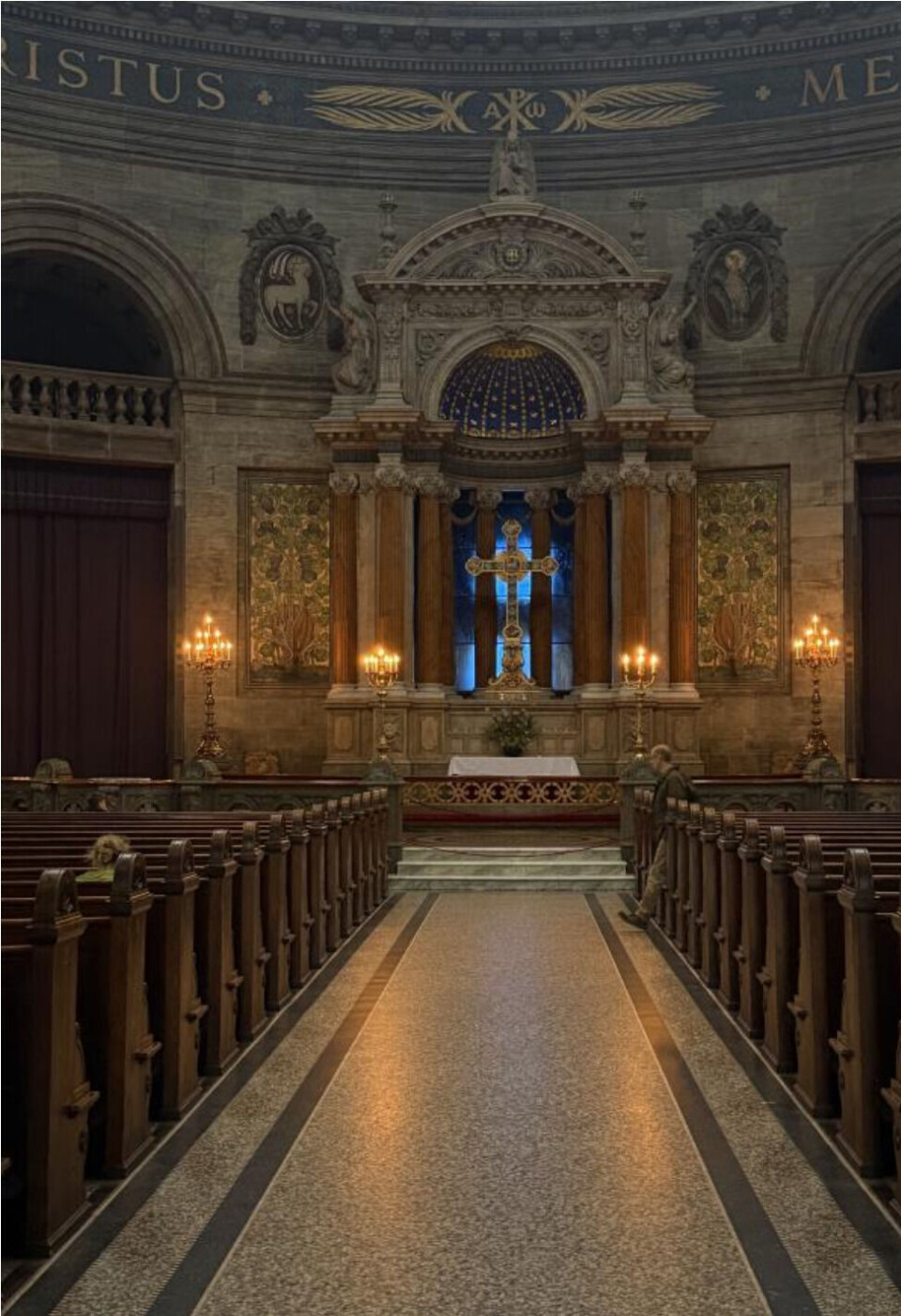
Architecture can also contribute to a particular way of living. Copenhagen's emphasis on walkability and shared public areas encourages people to spend time outdoors and interact with their surroundings.
This connects closely with the Danish idea of hygge, creating comfort, connection and a sense of togetherness.
For Cas, the city even influences people's pace of life.
"It's so nice to look at that you stop and slow down a little bit more," he said. "Compared tosomewhere like London and Berlin where you tend to speed through it."
Andy and Karen believe a key part to Copenhagen's functional beauty is its design to be acity ‘for its people’. “I think [they] built a city that suits their lifestyle,” said Karen.
“Compared to London, Copenhagen feels like it's slower.”
Ultimately, Copenhagen demonstrates that architecture does not simply shape acity's skyline.
Through the spaces people walk, cycle and spend time in, it can influence how they experience the city and interact with one another.