
The price of 'Scandi Style': Can Copenhagen's fashion industry ever be truly sustainable?
Copenhagen has become one of Europe's most recognisable fashion capitals. Along Strøget, international brands sit alongside Danish designers, while boutiques and vintage stores in neighbourhoods such as Nørrebro and Vesterbro offer a different vision of fashion.

Defined by neutral colours and understated design, Scandinavian minimalism has become a recognisable aesthetic online, while Copenhagen has positioned itself at the forefront of sustainable fashion.
Copenhagen Fashion Week introduced its Sustainability Framework in 2020, requiring participating brands to meet its standards and strengthening the city's reputation for sustainable fashion.
However, Denmark's consumer behaviour presents a more complicated picture.
According to FashionUnited's 2025 Denmark report, consumers purchase approximately 48.5 new clothing and footwear items per person each year, with the average wardrobe containing between 120 and 150 items.
Danish Fashion Consumption by Sophie Janusko
This makes the concept of a circular economy increasingly important. Unlike the traditional model of producing, buying and disposing of clothing, a circular approach aims to keep products in use through reuse, resale and recycling.
The growing popularity of platforms such as Vinted reflects this shift.
For CONCITO Project Staffer Rikke Sahlholdt Kristensen, it is no surprise that the fashion industry has reached such high levels of consumption.
"We also have a global market where cheap labour can enable cheap prices, which again enables fast consumption," she said.
"Current global infrastructure enables consumption at a very high speed, with global inequalities."
CONCITO, a Copenhagen-based green think tank, works towards creating a "climate- resilient world" through research and education on consumption-based issues.
Consumers' opinions
For many young consumers in Copenhagen, sustainability has become an important consideration when buying clothes.
"I definitely do think about the environmental impact," said Cora, a student studying sustainability in Copenhagen.
"I try to do my best and shop vintage or on Vinted."
Her friend Zoe takes a similar approach.
"I think it's important to think before you buy as well, like, do I actually need this? Will I wear this again?"
Denmark has seen significant growth in second-hand fashion, particularly among younger consumers. Yet buying second-hand does not necessarily mean buying less.
Cora admitted that she regularly purchases clothing through resale platforms. "I'll buy a lot on Vinted, especially when I get paid," she said.
For Finley, environmental concerns influence his purchasing decisions, although second- hand fashion is not always an accessible alternative.
"I don't buy second hand clothes that often, especially because I don't really like a lot of men's stuff in general," he said. "And it's hard to find good men's second-hand stuff."
FashionUnited estimates that 57 per cent of the Danish population purchased clothing online within the previous year. The ease of online shopping, combined with social media's influence on fashion trends, creates another challenge for attempts to slow consumption.
"It's not just a Scandinavian problem, it's all over the world," Ida argued. "And 'scandi-style' is adding to that problem."
Rikke believes Denmark's reputation as a green country can sometimes hide the reality of its consumption.
"Denmark has, in general, one of the highest consumption-based emissions in the world, even though we are often portrayed as green pioneers," she said.
She identified three major factors influencing fashion consumption: what society considers acceptable, what the industry provides and how the global market operates.
Retailers share concerns
For retailers, the tension between sustainability and consumption is clear. Fashion businesses depend on people continuing to buy clothes, yet many Copenhagen boutiques promote slow fashion, timeless design and longevity as alternatives to fast-changing trends.
Jasmine, who works at slow-fashion brand AF AGGER, said the popularity of Copenhagen and Scandinavian style has influenced consumer preferences.
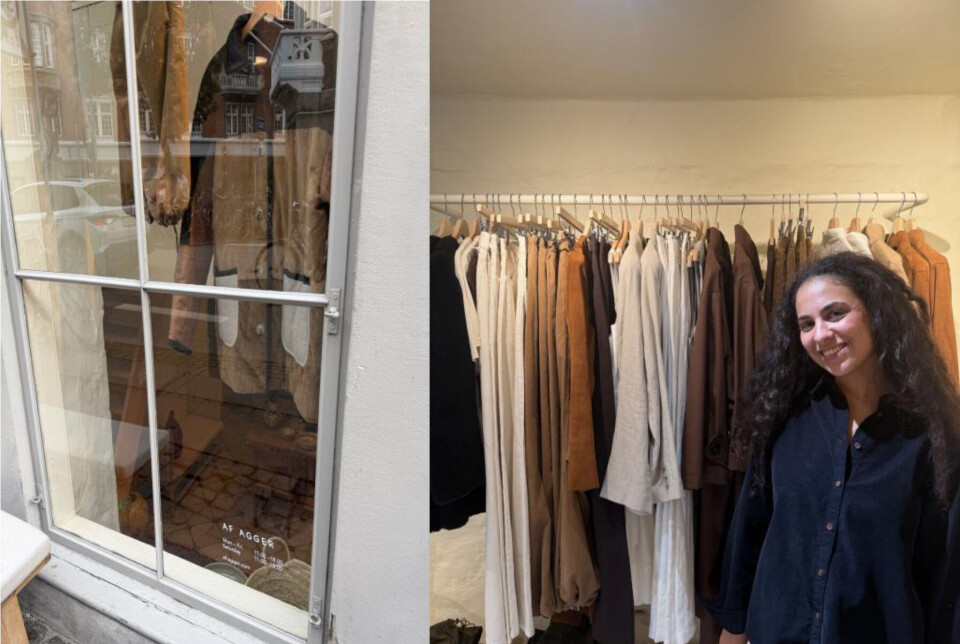
"People are moving more towards basic styles and because we are a slow fashion brand here, we have a lot of pieces you can wear for many years," she said.
"The longer you wear it, the more sustainable the piece of clothing will be," Rikke agreed, highlighting the importance of extending the lifespan of garments.
However, Jasmine acknowledged the difficulty of balancing sales with sustainable consumption.
"I think it's really difficult to balance these two things. Our brand is also making pieces over and over again, just in different colours," she said.
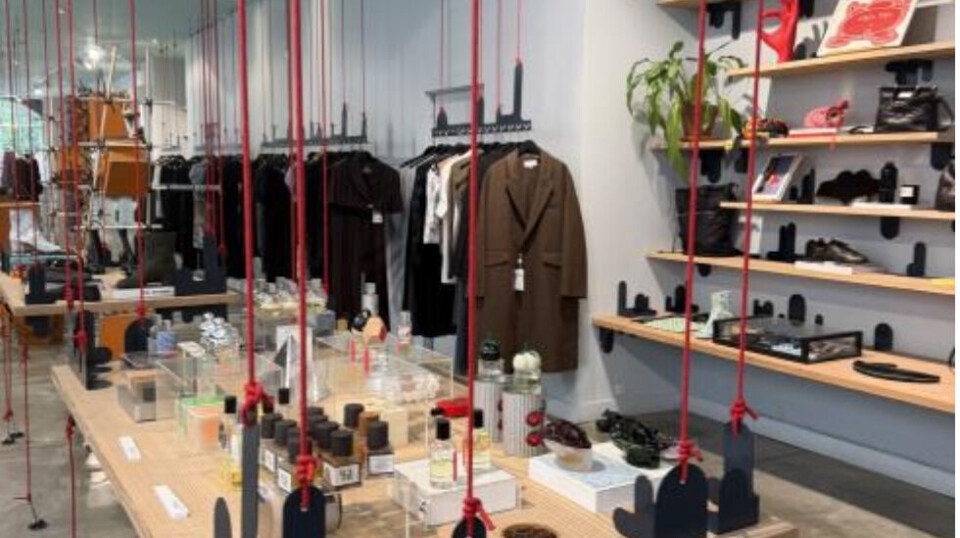
At HENDRIK VIBSKOV, Edith linked Scandinavian fashion directly to longevity. "Scandinavian style is pretty minimalistic, so I feel like the designs are gonna be here for a long time."
Her store also attracts significant numbers of international visitors. "I feel like there's a lot of tourists coming here. Lots of tourists wanting to buy Danish."
The appeal of Danish fashion abroad has become an important part of the country's fashion economy, representing both cultural identity and commercial industry.
Jasmine believes the industry is beginning to change.
"I think that most people agree that we have to focus on the slow fashion industry and think more about what we're buying and not just buying a lot of stuff and then throwing it away."
Edith, who studies fashion sustainability, was more cautious."I still think that it's a marketing term for a lot of brands."
For Rikke, responsibility for creating a more sustainable fashion industry should be shared.
"I think it's important to not put the responsibility on the consumer," she said. "It's not only the consumer's role, there are also people facilitating the speed of consumption."
Copenhagen's reputation as a sustainable fashion capital is therefore not without contradictions. Those interviewed spoke about considering the environmental impact of their purchases and turning towards second-hand alternatives.
However, second-hand shoppingcan still encourage frequent consumption, while minimalism and sustainability can become trends or marketing strategies.
Copenhagen may be changing how fashion is designed and consumed, but whether genuine sustainability is possible without confronting the industry's wider culture of consumption remains uncertain.